
Master the Art of Whole Grain Cooking
Learn from culinary experts how to transform whole grains into delicious, nutritious meals. Discover ancient grains, modern techniques, and everyday recipes that bring health and flavor to your table.
The information on this site is for educational purposes only and does not constitute medical advice. Always consult a qualified healthcare professional before making health decisions.
What You'll Master in This Course
Whole Grain Varieties
Understand the nutritional profiles and culinary applications of amaranth, quinoa, barley, spelt, farro, millet, and other heritage grains from around the world.
Cooking Techniques
Learn essential methods including soaking, sprouting, pressure cooking, and slow-simmering to achieve perfect texture and flavor in every dish you prepare.
Practical Recipes
Access over 50 tested recipes ranging from breakfast bowls and hearty salads to main courses and desserts featuring whole grains as the star ingredient.
Nutritional Knowledge
Discover the fiber, protein, minerals, and vitamins in whole grains, and learn how to balance them with other foods for well-rounded meals.
Flavor Pairing
Master the art of combining grains with vegetables, herbs, spices, and proteins to create complex, satisfying flavors that impress every palate.
Time Management
Learn meal-prep strategies, batch-cooking methods, and storage techniques to make whole grain cooking convenient for busy modern lifestyles.
Why Whole Grains Matter for Your Health
Whole grains have been staples of human nutrition for thousands of years. Unlike refined grains, whole grains retain all three parts of the kernel: the bran, germ, and endosperm. This means you get the complete package of fiber, vitamins, minerals, and phytonutrients in every bite.
Research from leading nutritional science organizations consistently shows that diets rich in whole grains support sustained energy levels, digestive function, and overall wellbeing. When prepared properly using traditional and modern techniques, whole grains become not just nourishing but genuinely delicious.
This course bridges the gap between scientific understanding and practical cooking. We'll teach you how to select, prepare, and cook whole grains to maximize their flavor and nutritional value, making them a cornerstone of your everyday cooking.
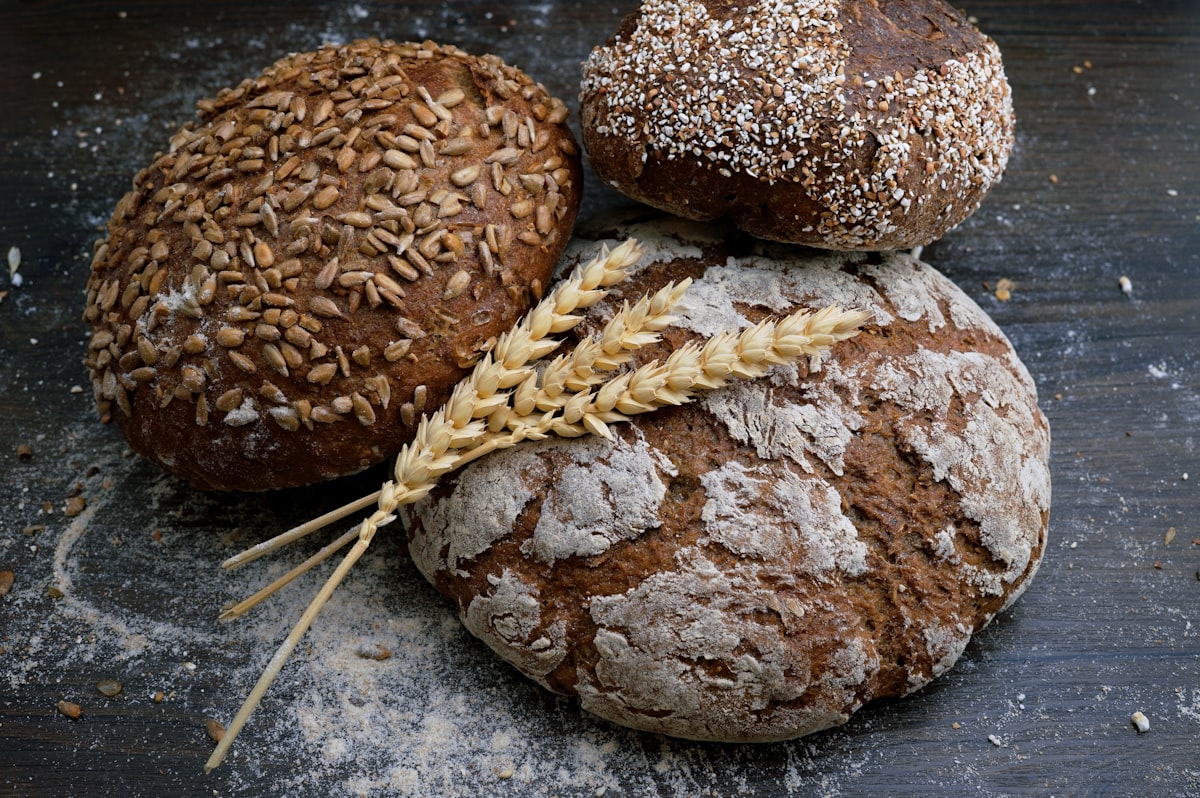
Your Learning Journey in Four Steps
Foundations
Learn the history, varieties, and nutritional science behind whole grains. Understand how each grain behaves during cooking.
Techniques
Master soaking, sprouting, and cooking methods. See step-by-step video demonstrations for perfect results every time.
Recipes & Practice
Work through 50+ recipes organized by meal type. Learn flavor pairing and how to adapt recipes to your preferences.
Mastery
Create your own recipes with confidence. Build a sustainable cooking practice centered on whole grains.
Student Creations & Recipes
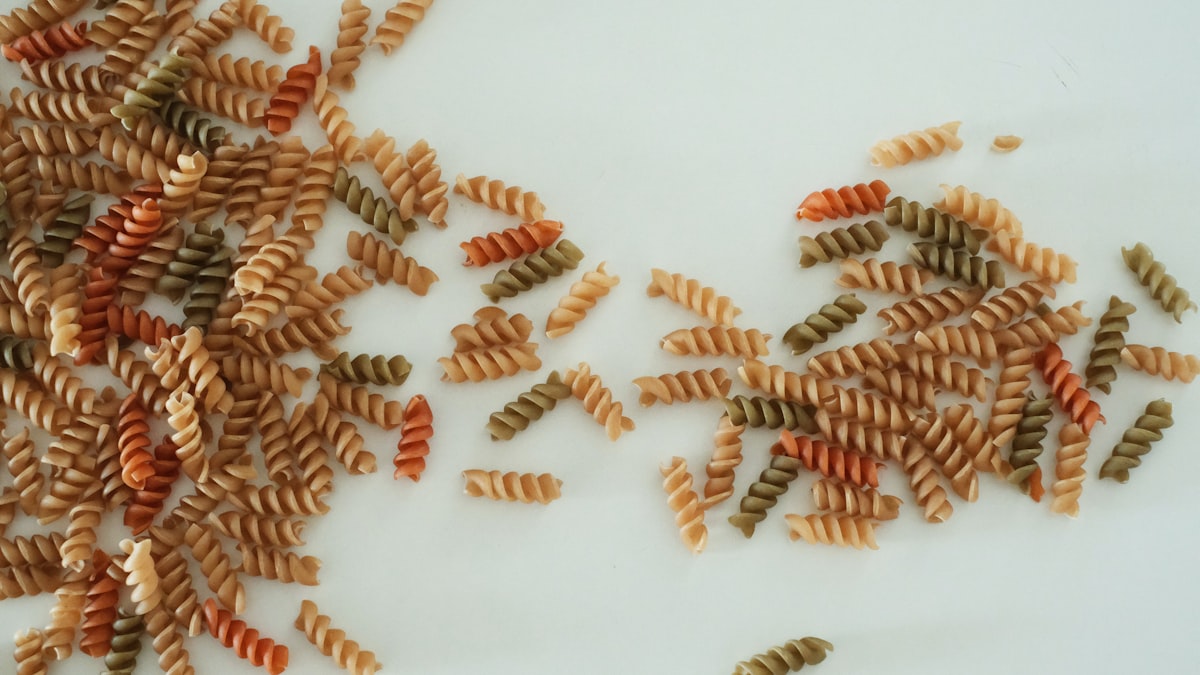
Rainbow Quinoa Buddha Bowl
Learn to layer roasted vegetables, sprouted quinoa, and tahini dressing for a visually stunning and nutritionally complete meal.
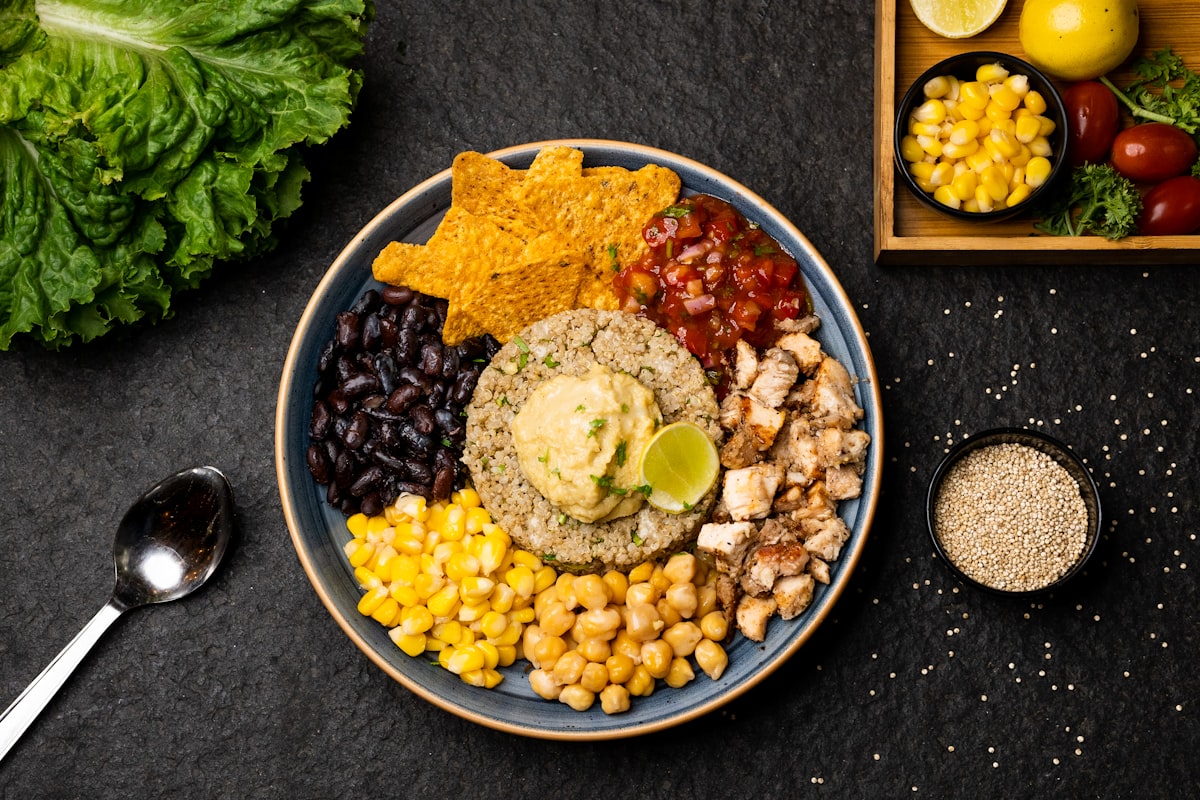
Herb-Infused Farro Salad
Master the technique of dressing warm grains to absorb bold herb flavors while maintaining a tender, chewy texture.
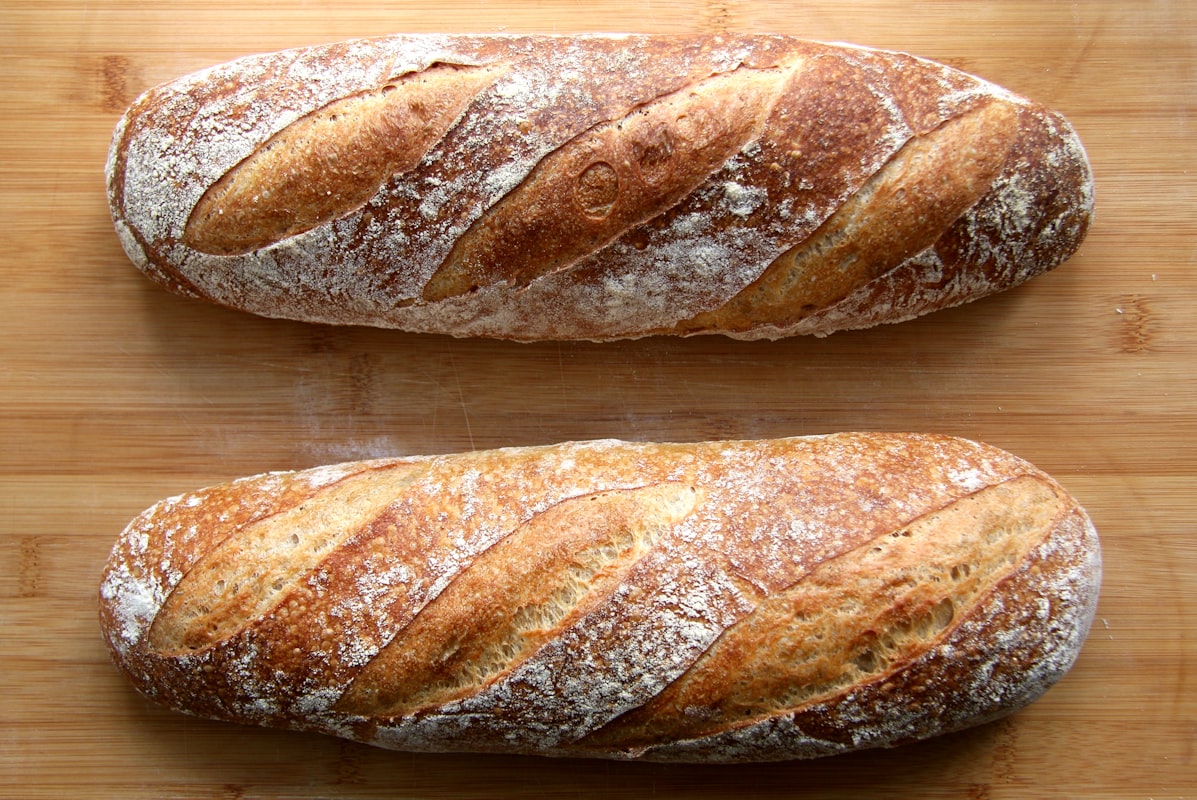
Creamy Barley Risotto
Create elegant main courses using barley instead of arborio rice, achieving luxurious creaminess through technique, not cream.
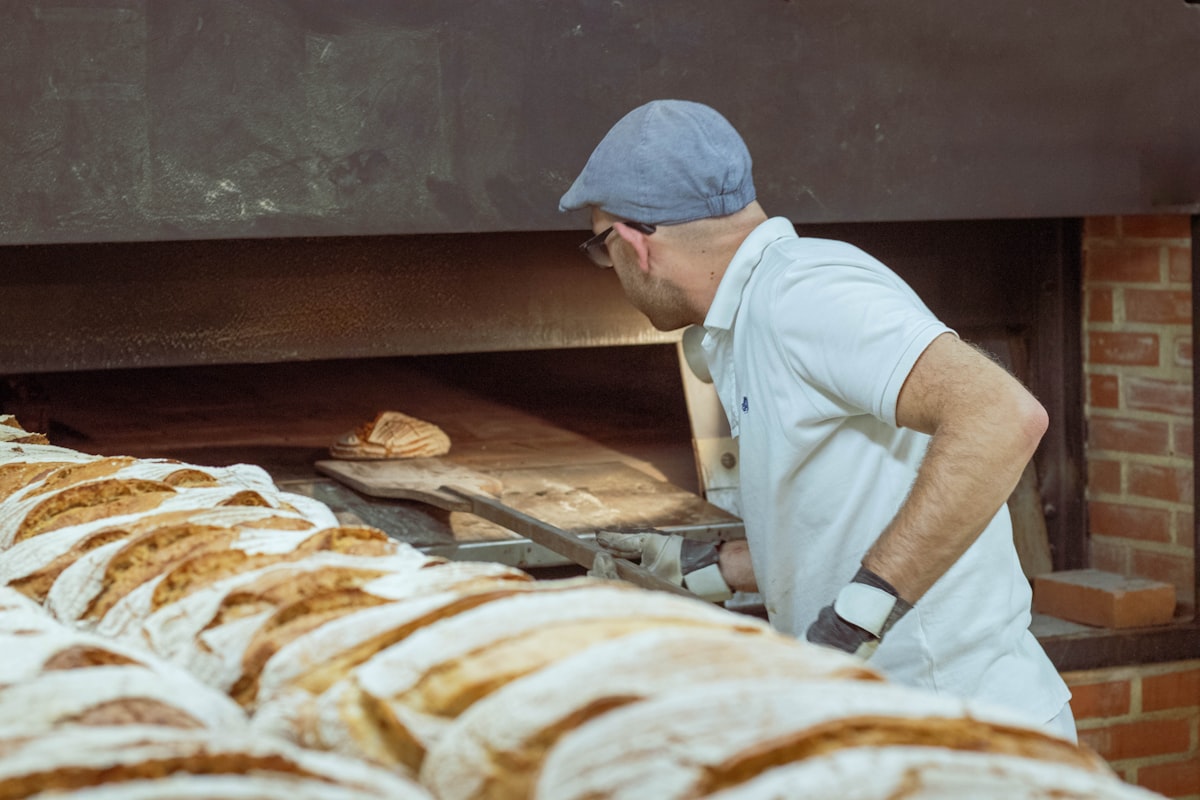
Golden Millet Breakfast Porridge
Transform millet into a warm, nourishing breakfast bowl with warming spices and fresh toppings for sustained morning energy.
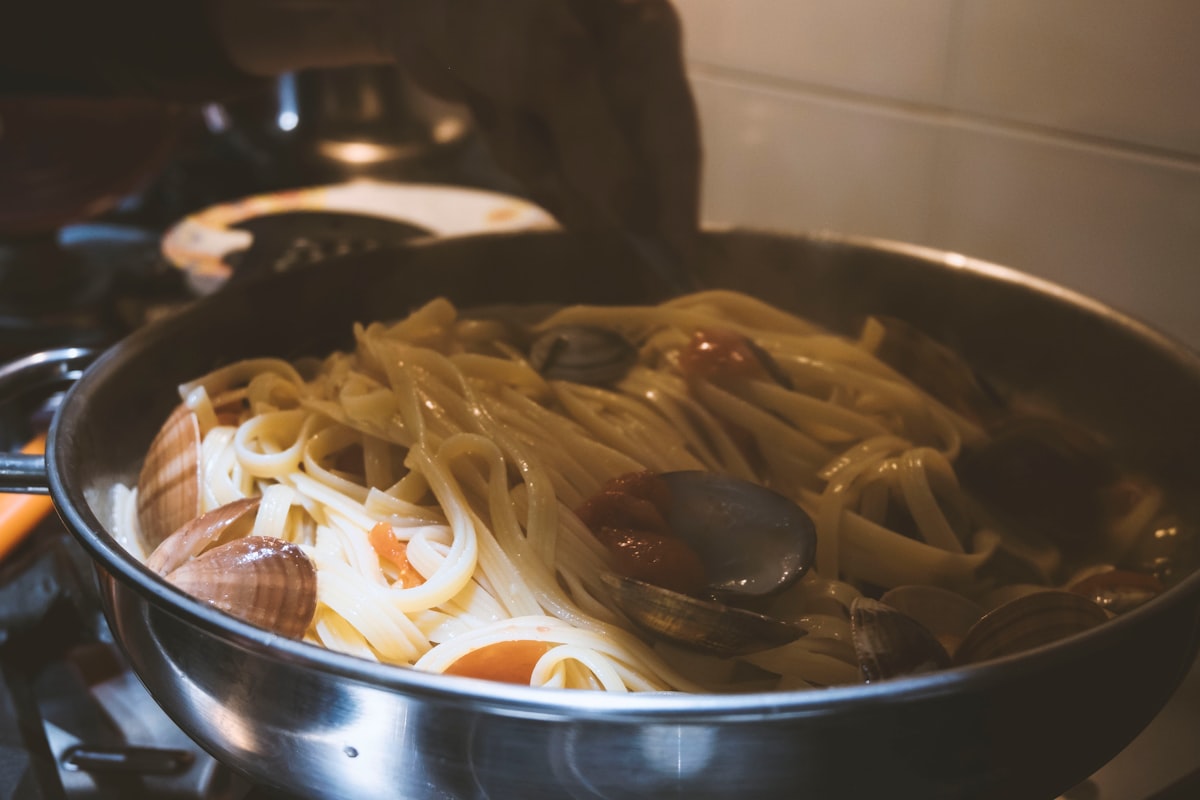
Artisan Multigrain Bread
Bake satisfying loaves filled with whole grains and seeds, understanding fermentation and hydration for perfect structure.
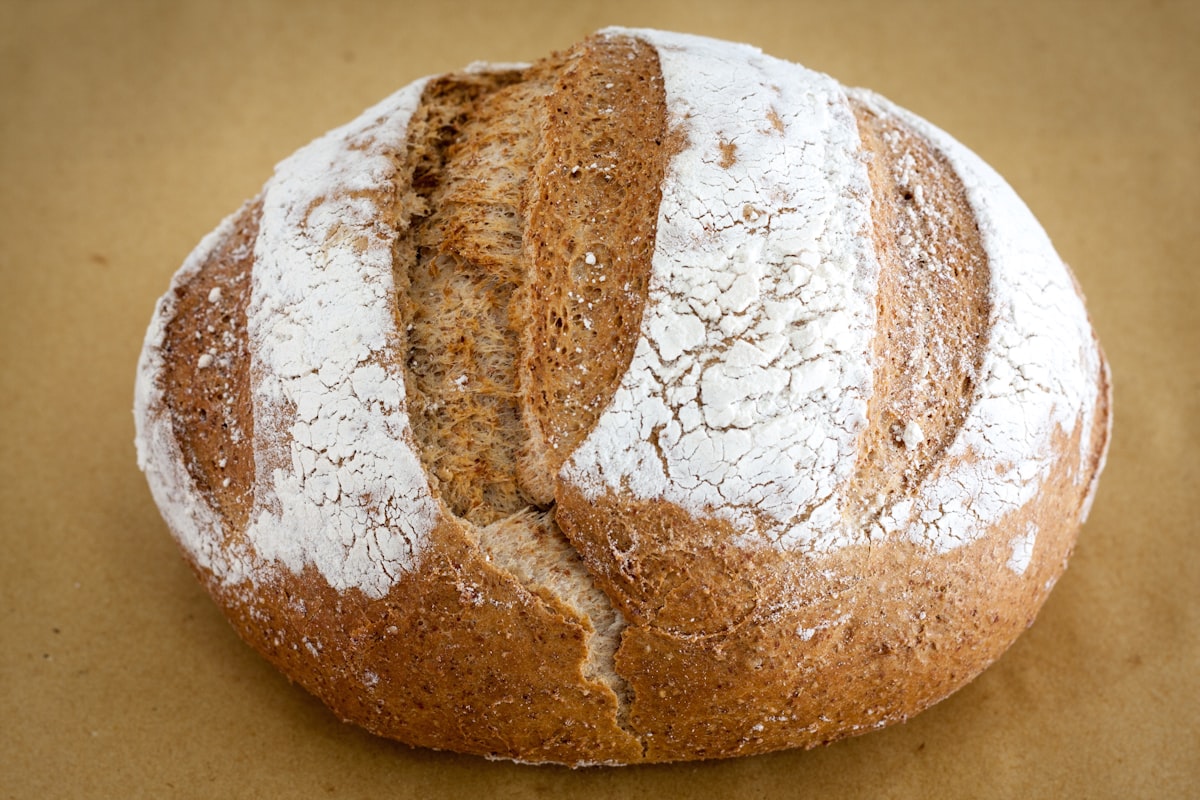
Build-Your-Own Grain Bowls
Learn the framework for creating balanced grain bowls that adapt to seasons, preferences, and what you have on hand.
Ready to Transform Your Kitchen?
Join our community of food enthusiasts and home cooks learning to master whole grain cooking. Discover recipes, techniques, and the nutritional wisdom behind ancient grains.
Start Learning TodaySuccess Stories from Our Community
"I never knew whole grains could be this exciting. The course taught me that amaranth isn't just for porridge, and now I make crispy fritters, soups, and salads with it. The video demonstrations were incredibly helpful—I finally understand why proper soaking makes such a difference in texture. My family has noticed the change in our meals, and we feel more energized throughout the day."
Marco Rossi
Milan, Italy
"As a busy professional, I thought cooking whole grains would be time-consuming. This course showed me meal-prep strategies that save me hours during the week. I batch-cook farro and barley on Sundays, and by Wednesday I'm making different dishes with them. The flavor-pairing lessons helped me stop seeing whole grains as 'healthy' and start seeing them as delicious. Highly recommend."
Giulia Mantova
Rome, Italy
"I took this course because I wanted to understand what I was eating. The foundation modules on grain varieties and their nutritional profiles changed how I shop for food. Now I'm intentional about choosing spelt or kamut based on what I'm cooking. The instructor's passion for whole grains is contagious, and the community we're building online is genuinely supportive. Thank you for this comprehensive education."
Alessandro Rizzo
Turin, Italy
"My kids used to refuse anything with brown rice. After taking this course and learning better cooking techniques, I made crispy pan-fried rice that they actually loved. The entire family has benefited—we're exploring new grains together, and mealtimes have become more interesting. The recipes are clear, the ingredients are accessible in Italy, and the results are delicious every single time."
Francesca Benedetti
Palermo, Italy
Common Questions Answered
Is this course suitable for beginners?
Absolutely. The course is designed for anyone interested in whole grain cooking, from complete beginners to experienced home cooks. We start with fundamentals in the foundation modules and progress to advanced techniques. No prior cooking experience is required—just curiosity and willingness to learn.
How long does it take to complete the course?
The course is self-paced, so the timeline depends on how quickly you progress. Most students complete the foundation modules in 2-3 weeks, then work through recipes and techniques over several months. You have lifetime access, so you can return anytime to refresh your knowledge or explore new recipes.
What equipment do I need?
The basics—a pot, a stovetop, and measuring cups—are enough to get started. Some recipes call for a pressure cooker or slow cooker to save time, but these are optional. The course teaches traditional and modern cooking methods, so you can choose what works best for your kitchen.
Are the ingredients easy to find in Italy?
Yes. While the course includes recipes with grains from around the world, we emphasize locally available ingredients and Italian grain traditions. Most recipes use grains you can find in Italian markets, health food stores, or online. We provide substitution guidance if a grain isn't available in your area.
Do I receive a certificate?
The course provides a completion certificate for your personal records and professional portfolio. This acknowledges your participation and the knowledge you've gained, though it is not a professional qualification or license.
Can I download recipes to use offline?
Yes. All course materials, including recipes, technique guides, and nutritional information, are available for download as PDFs. This makes it easy to reference recipes in your kitchen or while shopping for ingredients.
How do I get support if I have questions?
Our editorial team is available to answer questions about course content and recipes. Visit our contact page to send feedback or ask for clarification about any lesson. We also maintain an active community forum where students help each other troubleshoot cooking challenges.
Will the course teach me about organic or conventional grains?
The course focuses on grain selection, preparation, and cooking techniques regardless of whether you choose organic or conventional grains. We discuss quality factors to consider when buying whole grains and storage best practices to maintain freshness. Your choice depends on your preferences and budget.
Begin Your Whole Grain Cooking Journey
Learn from culinary professionals and join thousands of food enthusiasts who have transformed their cooking with whole grains. Access video lessons, 50+ recipes, and a supportive community of learners.